
Prevent single metrics from distorting your investment decisions
Not stock tips – a structured way to see how revenue, margins, cash flow and capital interact beneath the surface. This site applies a consistent financial lens to uncover recurring patterns long before narratives catch up.
A structured way to make informed decisions.
Most dashboards overwhelm. Most analyst narratives simplify. Most stock tips skip financial correlations.
Business quality does not live in one metric —
it emerges from how financial health, capital allocation, growth and valuation interact.
The Financial X-Ray makes those interactions visible — clearly and consistently.
→ Learn more about us
Structured evaluation of interacting financial dimensions
Clear signals across financial health, management quality, growth and valuation
Identification of recurring financial distortions
A rating system that reconciles conflicting signals
One coherent outcome instead of scattered metrics


Boeing looks like a company on the mend. And yet, the one place that should show this improvement — cash generation — still tells a very different story.
FEB 16 · THE INSIDE ANALYST

The underlying earning power of the business has not improved — because part of the strength investors see is coming from a shrinking share count, not a stronger business.
FEB 12 · THE INSIDE ANALYST
Novo Nordisk still looks operationally exceptional. The business remains highly profitable. Demand is visible in the numbers. And yet, the financial profile shows a different constraint emerging.
FEB 19 · THE INSIDE ANALYST


Intel no longer looks like a collapsing company. Margins are recovering. EBITDA is back. Debt is falling. The stock is far above its lows. Yet — the business is still not generating free cash flow.
FEB 16 · THE INSIDE ANALYST
Financial statement analysis through recurring patterns professional analysts use.
All NewsThe difference is not the data — it is how the data is connected. The same inputs can produce very different conclusions, depending on how they are structured.


Sales are rising quickly. The company is gaining traction. Growth means the business is getting stronger.

Revenue measures expansion, not quality. Growth only strengthens a business if it improves cash generation and returns on capital.
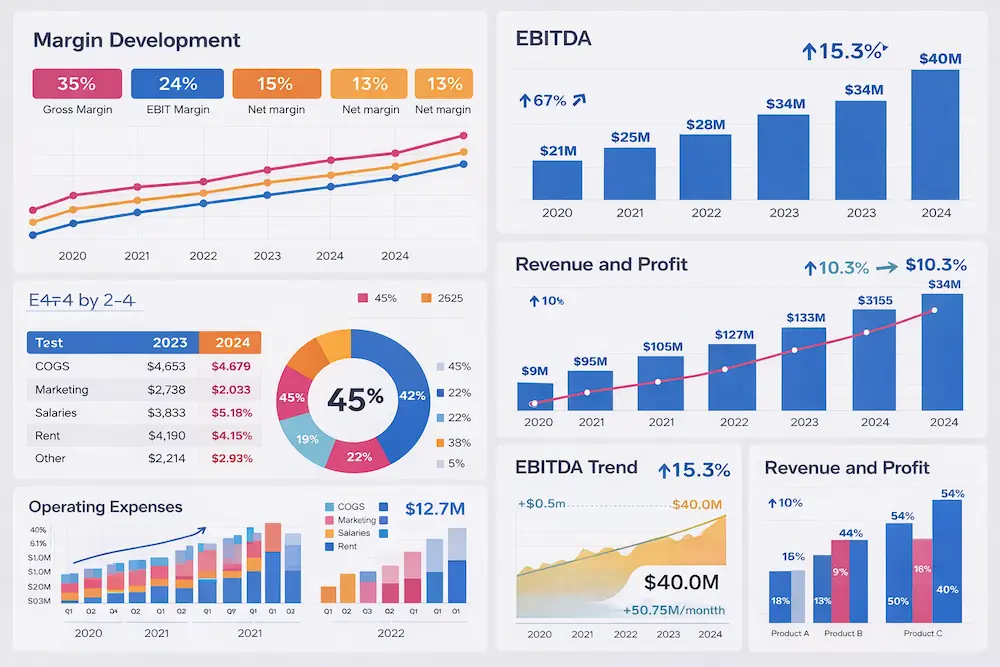
The company is becoming more efficient. Profitability is structurally improving. Higher margins mean a better business.
High margins look impressive. They don’t guarantee durability. Margins can peak before the business does. What matters is whether strength holds and not whether it spikes.
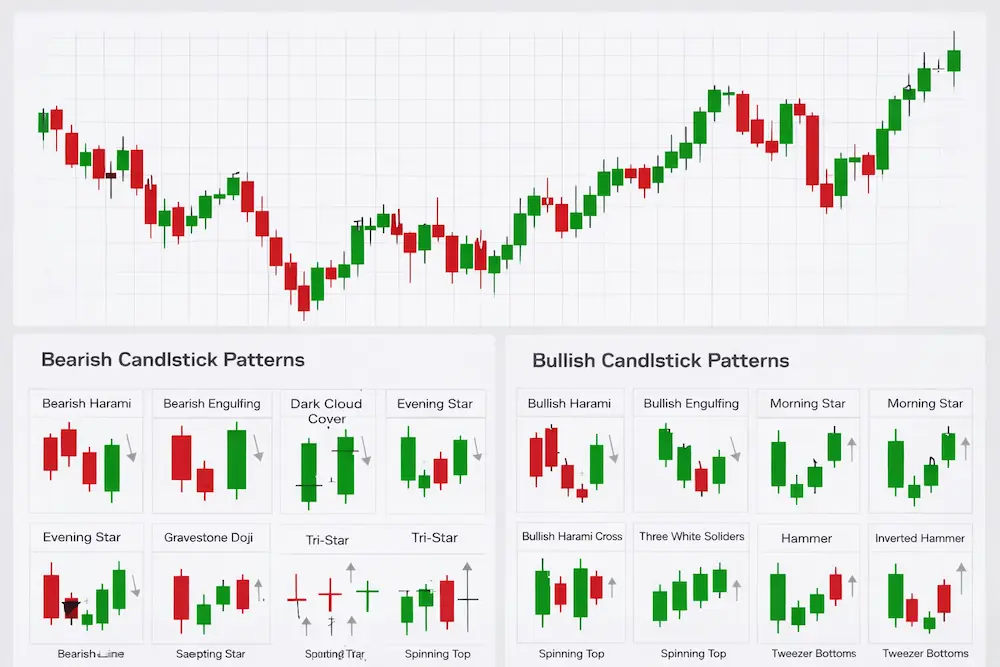
The market sees something positive. Momentum confirms improving fundamentals. The move validates the investment case.
Price reflects sentiment, not internal structure. Short-term momentum often precedes fundamentals. Long-term outcomes follow the structure and not the chart.
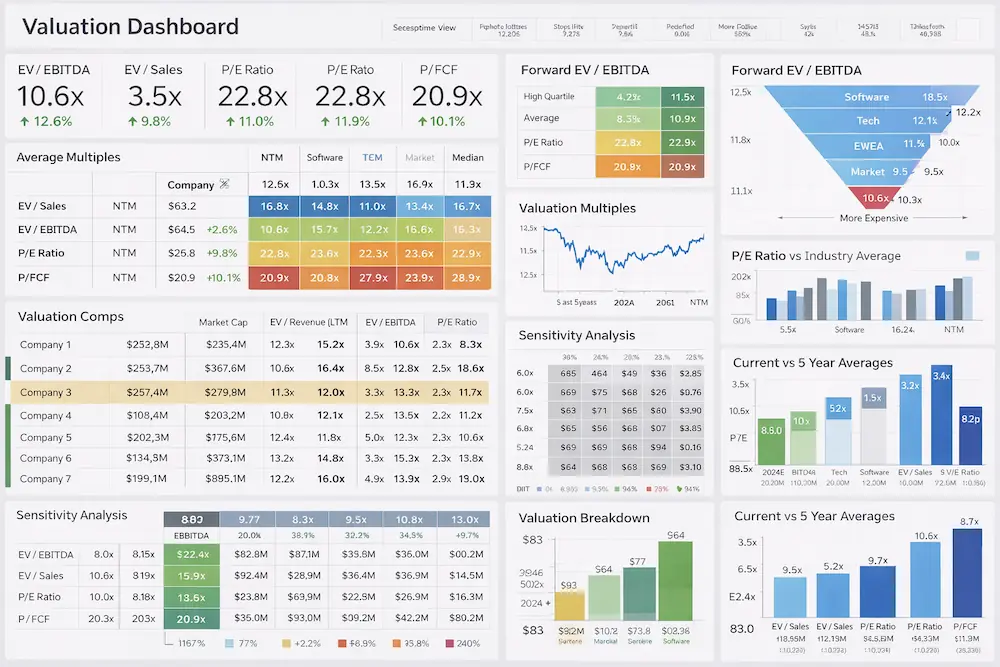
The stock is cheap. Downside is limited. This is a value opportunity.
Cheap is not the same as mispriced. Low multiples often signal pressure beneath the surface. Value appears when the business stabilizes and not when the stock looks discounted.
Each of the questions below comes from a recurring pattern created by how revenue, margins, cash flow, debt, and capital allocation interact inside a business.
→ Learn how to detect financial patterns
Cash Conversion Fracture –Revenue scales and cash does not
→ Read more
Margin Expansion Illusion –Profitability improves while economic quality erodes
→ Read more
Share Buyback Distortion – Earnings per share improve without business improvement
→ Read more
Valuation Comfort Trap – Cheap multiples conceal structural weakness
→ Read more
Balance Sheet Mirage – Strong equity base hides operating fragility
→ Read more
Growth Normalization Paradox –Healthy deceleration mistaken for deterioration
→ Read more
Leverage Drift – Debt increases quietly while returns stagnate
→ Read more
Stability Overconfidence – Consistent results mask lack of progress
→ Read more
Capex Shock – High operating quality masks rising capital absorption
→ Read more
Durability Overpricing – Peak performance gets priced as permanent structural strength
→ Read moreWhen financial health, growth, valuation and management quality are reconciled, hidden trade-offs become visible.

Revenue and margins can improve while cash generation weakens and balance sheet pressure builds.

Low multiples often reflect deteriorating fundamentals rather than opportunity.

Expansion without capital discipline or durable returns weakens long-term business quality.